Confidence starts with control over money
Women with lower educational and economic status often have little confidence to face the world. Micro-credit is one proven way to bring financial inclusion to poor and marginalised women, who banks typically regard as too risky to lend to. Access to credit — for children's education, family emergencies, or starting a small business — is core to what we do, alongside training that builds real, marketable skills.
Savings first, then credit — on their own terms
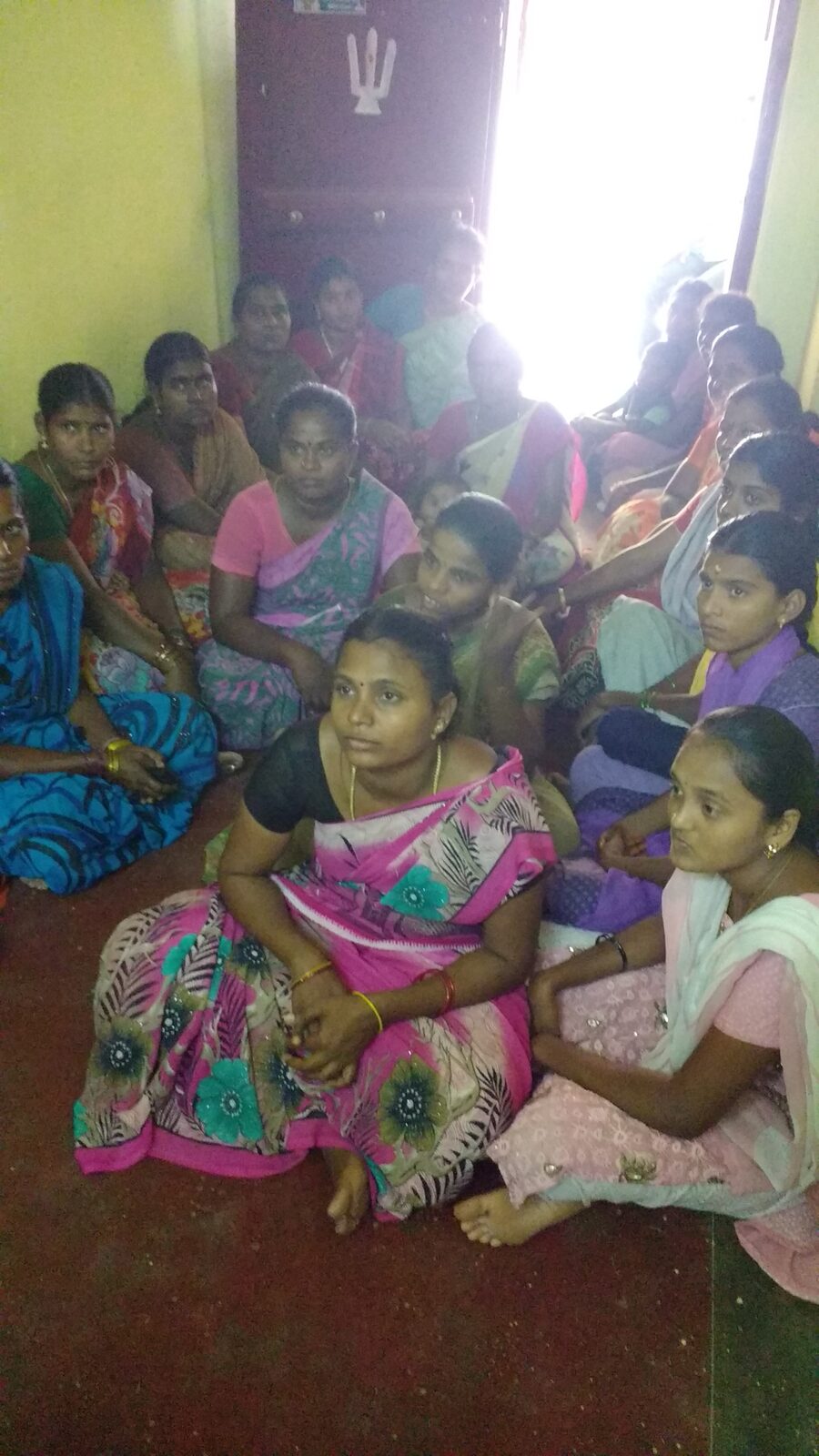
We've organised poor and marginalised women into more than 75 self-help groups (SHGs) across three blocks. Members are trained on the organisation's vision and objectives, group meeting practice, the importance of savings, loan requirements and social security schemes.
Every SHG opens a bank account to deposit weekly savings, and loans — when needed, for education, income generation or emergencies — are disbursed as group loans with collective repayment responsibility. Groups also mark Women's Day and Children's Day together, alongside awareness sessions on health, nutrition and education.
From training to entrepreneurship
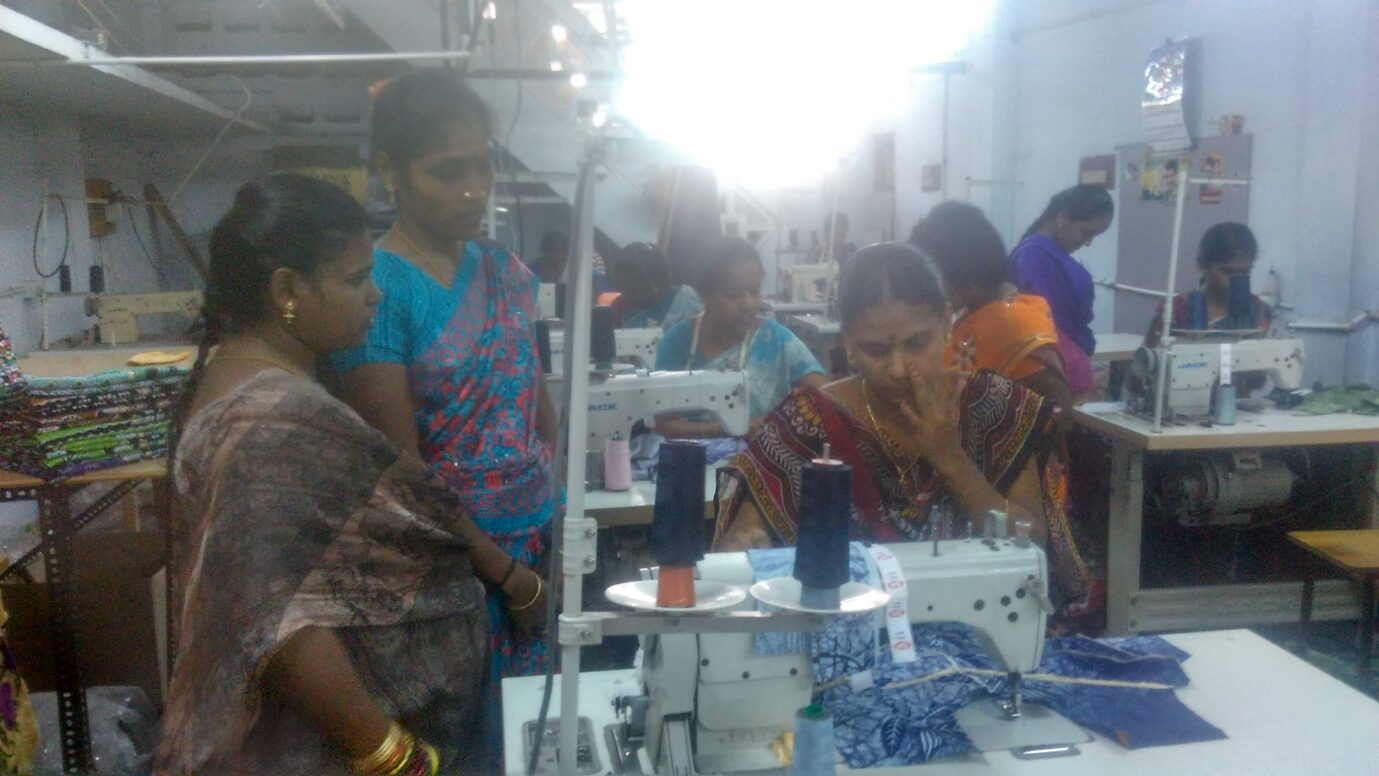
To help women build income beyond the household, we run entrepreneurship training alongside local technical industries — covering product identification, marketing strategy and how to start or expand a small business.
- Electronics hardware
- Home appliance repair
- Plumbing
- Computer networking
- Data entry training
- Mobile phone repair
- Tailoring
- Driving classes
Sewing training that becomes a livelihood
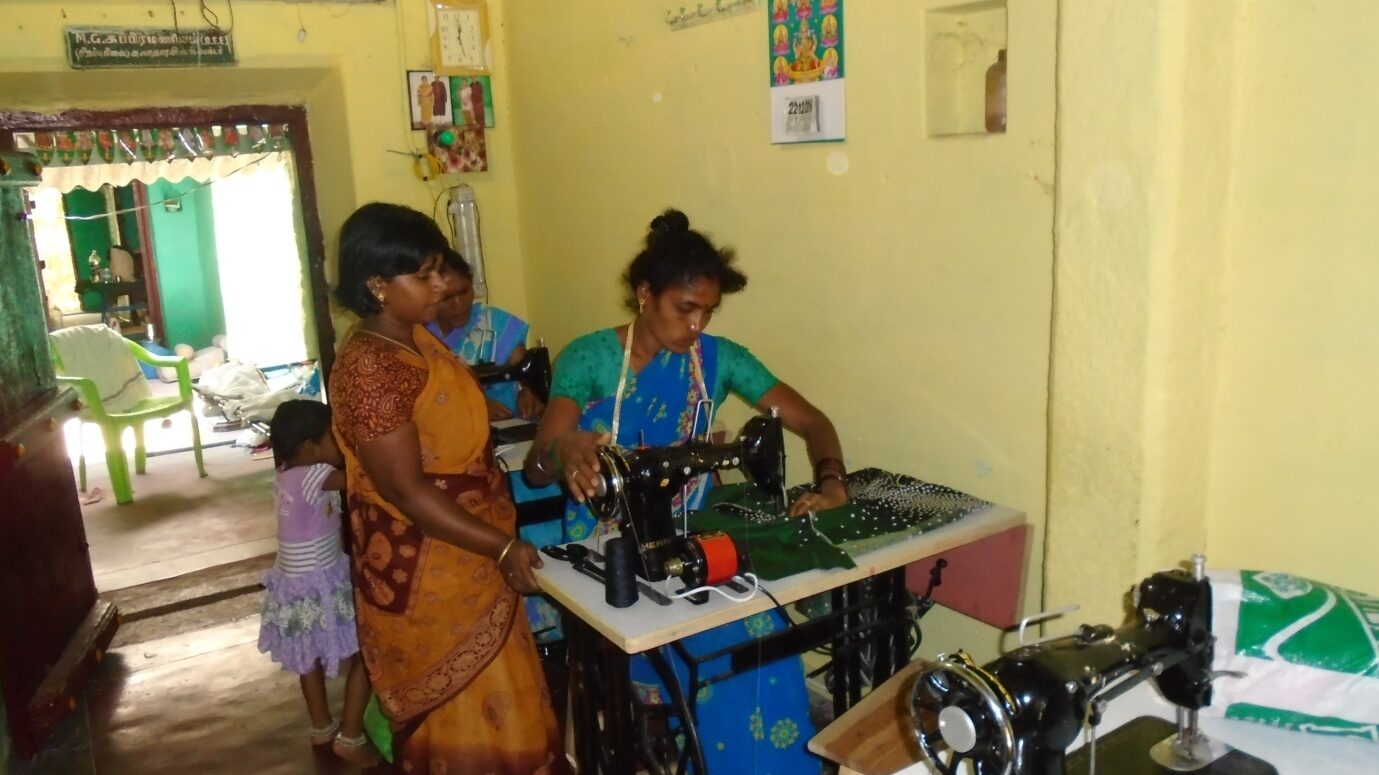
In-house tailoring training runs for six months at our centres, aimed at rural women who've long been marginalised by lack of economic independence and limited schooling. More than 75 women have completed the programme — many have started home-based ventures, while others have joined garment factories in our target area. Graduates now earn between ₹4,000 and ₹8,000 a month.